

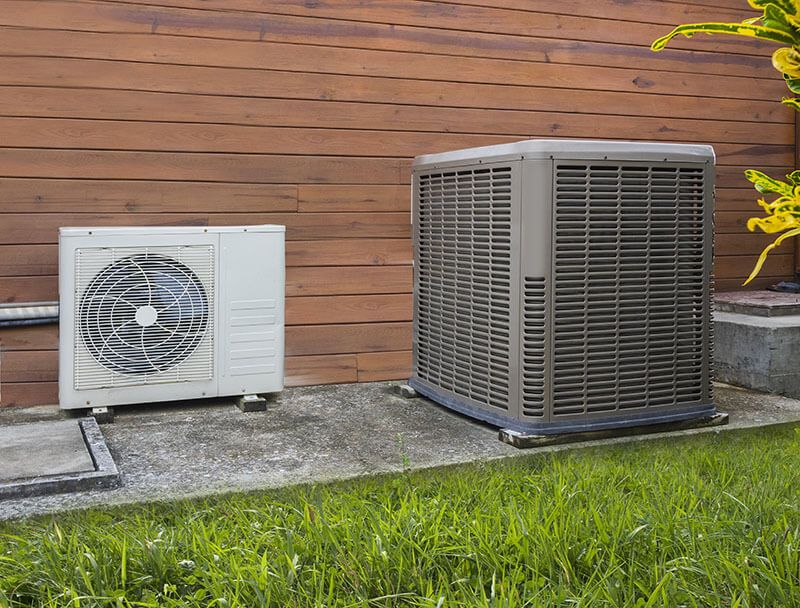
Air conditioning systems have become a common presence in most residential and commercial premises. These innovative systems come in handy in terms of making the indoor environment comfortable, all through different seasons.
Moreover, they come in a variety of types and designs, ranging from central air cons to evaporative coolers. Amongst these different options, evaporative coolers have become the most preferred choice for many building owners because they are energy-efficient, cost-effective and eco-friendly compared to their counterparts.
So, What is Evaporative Cooling?
Evaporative cooling might seem complex, but it is a very simple mechanism. In any case, we experience it every day. For instance, when you step out of the shower on a hot day, you are likely to feel an immediate chill. This cooling effect is what experts refer to as evaporative cooling.
Scientifically, evaporative cooling occurs when dry or warm air passes over water, forcing it to evaporate. The amount of water that evaporates into the air depends on how much water is already in the air. This means that if the humidity is low, then more water will evaporate into the air as it dispels the heat.
Evaporative coolers consist of wet filter pads, a ventilation fan, and a pump. They work by moving hot or dry air over water-moistened pads via a ventilation fan. As the dry air passes through the wet pads, it makes the water evaporate, subsequently dispelling the heat needed for the evaporation process. This creates cooler air, which is circulated back to the entire room via the ventilation fan.
If the water-moistened pads run dry, then the air conditioner will not be able to cool the air. Fortunately, all evaporative coolers come with a pump that constantly wet the filter pads.
Why invest in evaporative cooling systems?
1. Energy Efficiency
The simplicity of evaporative cooling systems makes them highly energy efficient. They do not use complex cooling mechanisms that might require sophisticated equipment. This translates to lower energy costs. Comparatively, evaporative coolers cost up to 50% less than traditional air conditioners.
2. Cost-Effectiveness
In terms of maintenance and air conditioning installation costs, evaporative coolers are extremely cost-effective. Apparently, it is far much cheaper to install and maintain an evaporative cooler compared to its counterparts. In fact, homeowners do not have to worry about frequent breakdowns or malfunctions.
3. Eco-Friendly
Evaporative coolers offer numerous benefits to the environment. Firstly, they operate using natural processes rather than refrigerants that release toxic gases that harm the ozone layer. Furthermore, evaporative cooling systems circulate clean, fresh air subsequently preventing air pollution and reducing the risk of developing health problems.
Bottom line:
The only concern about evaporative cooling systems is that they function best depending on the climate in your area. Essentially, evaporative coolers are highly effective in dry and arid areas where humidity levels are below 50 – 60 per cent. So, before acquiring an evaporative cooling conditioner, always consult an air conditioning expert to find out if it will work effectively in your region.
Ready when you are
Book a licensed technician — same-day, every capital city.
$239 call-out inc GST · fixed price, no surprises · 4.9★ (128 Google reviews)