

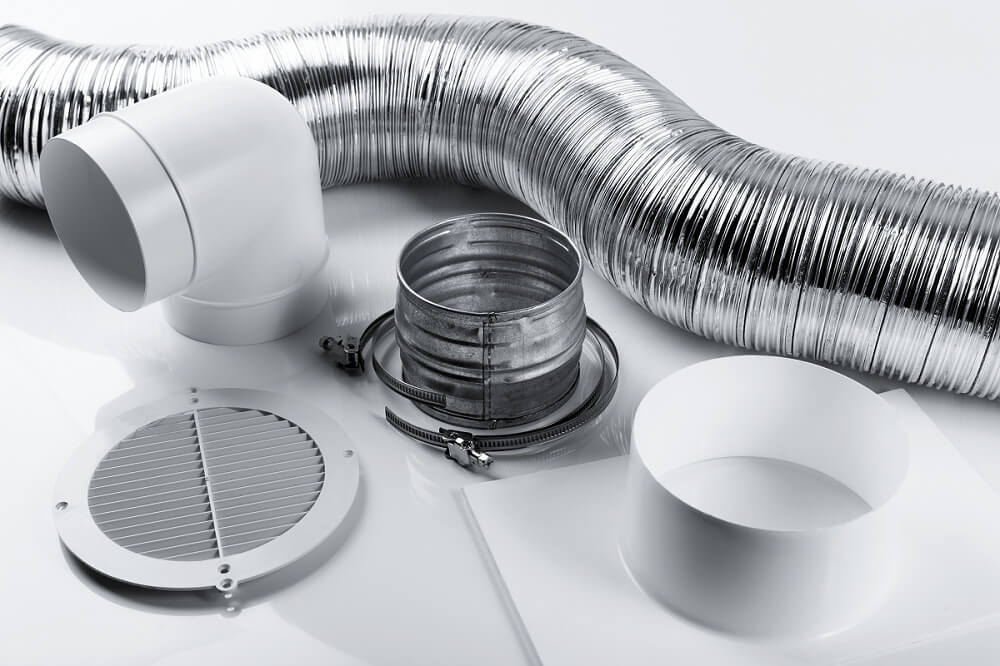
Perhaps one of the most efficient methods for heating up a home is a ducted heater installation. In many cases, a quality installation will help keep you warm throughout the cold and windy winter months in Australia. So, how does a ducted heater work? Let’s take a look.
How does a ducted heater work?
A ducted heater is rather simple. It can be a bit tricky to install at the start, but once the installation is complete, everything works nice and smoothly.
At the ‘heart’ of a ducted heating system will be the main unit. This unit will pull in cold air and this cold air will be taken in by a network of vents. It is vital that these vents are kept clean to ensure that cold air can continue to be pumped into the ducted heating system.
As cold air is pulled into the unit, it is heated up. The temperature the air is heated up to will be dependent on the temperature listed on the thermostat.
Leading into every room of your home (or rooms you want to be heated up) will be a network of heating ducts. As the air is heated up to the required temperature in the central heating unit, it will be pumped along these ducts. The hot air will then be blasted into all of the connected rooms. This will heat them up to the required temperature. Do bear in mind that these heating ducts for the transport of the hot air will be insulated. However, if you do not keep the ducted heater serviced regularly, the insulation may start to ‘break down’, which can lead to the hot air losing a couple of degrees here and there. This means that you need to flick up the temperature of the thermostat to keep the same temperature.
A regular ducted heater service is the key to efficiency
As efficient as a ducted heater is, it does need to be regularly serviced if you want to keep it at peak efficiency. Assuming you have purchased a quality system, to begin with, the heater will need to be regularly cleaned out. Since the ducted heater is pulling in cold air, it is also going to be pulling in all of those particles floating in the air too. Over time, this will start to clog up the system, which means it needs to be working harder (and thus draining more energy) in order to keep everything ticking over nicely.
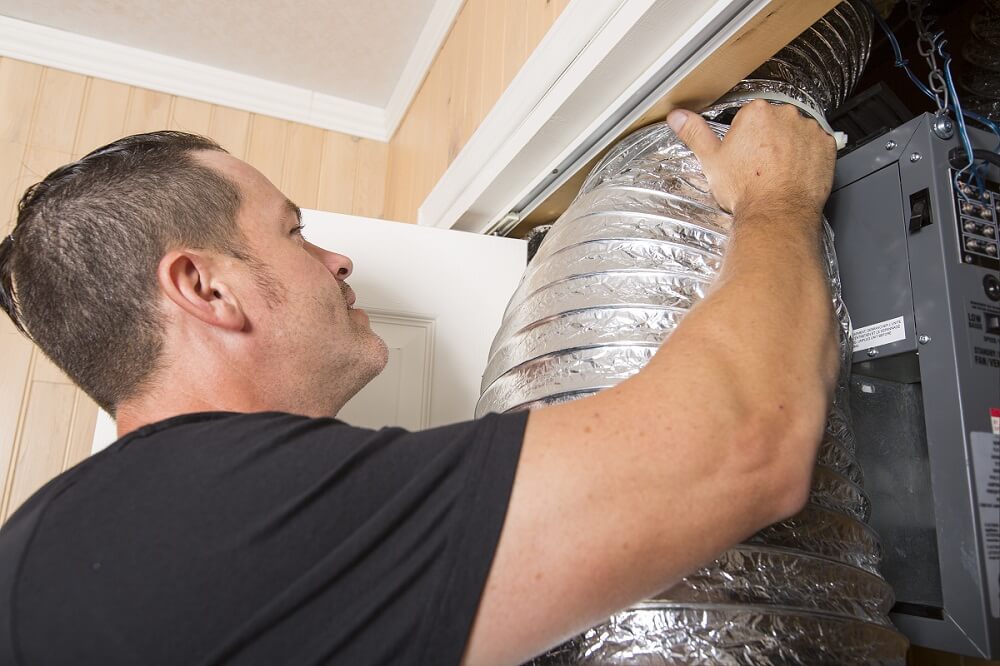
Keeping your Ducted Heating System Working
One of the great things about having a ducted heater is the fact that maintenance on them, in comparison to having several different units, is minimal. However, you will still need to have ducted heater service carried out at least once per year. This should, ideally, be just before the winter starts to roll in. This will help to ensure that ducted heater repair is kept to the minimum. After all, most problems will be solved a long time before they start to become a major issue.